

Our Journey to Buying a Japanese Akiya
Our journey into purchasing an akiya—an abandoned house in Japan—began with a simple, yet exciting idea: to have a vacation home in Japan. While exploring the beautiful countryside of the Tohoku region in northern Japan, I couldn’t help but notice the countless abandoned houses scattered across the land. These homes, often left vacant due to Japan’s declining population and harsh weather, struck us as both charming and surprisingly affordable.
I had been following an Instagram account called cheaphousesjapan (not sponsored), which showcases stunning yet inexpensive Japanese homes. Seeing these pictures, my curiosity about buying a property in Japan grew. A quick Google search from the car revealed something even more surprising: buying a house in Japan doesn’t require a visa, and you own the land alongside the house. This was a game-changer for us.
When I shared this discovery with my parents, their eyes lit up with excitement at the idea of owning a holiday property in Japan. But of course, we faced several challenges:
- We had no Japanese residency; our visas were only tourist visas.
- We knew very little Japanese language.
- Our budget was quite tight—maximum $50,000 USD.
- We didn’t have any local contacts or connections in Japan.
Despite these hurdles, we managed to purchase our dream house in a beautiful, popular area in southern Japan, for just $26,000 USD. The house was located in Beppu, a well-known touristic area famous for its hot springs and beautiful scenery. Most houses in Beppu sell above $200,000 USD, but ours was cheaper because it was quite old, with some unclear or questionable issues, which heavily decreased the property of the value but did not matter for us (more about that in my guidebook).
This house wasn’t intended as a long term big investment project; for us, it was about creating memories, exploring Japan, and enjoying its incredible food and culture. We knew from the start that we wouldn’t be living there full-time—our plan was to visit occasionally with our 6-month/a year tourist visas, which allowed us to stay in Japan for leisure and visits.
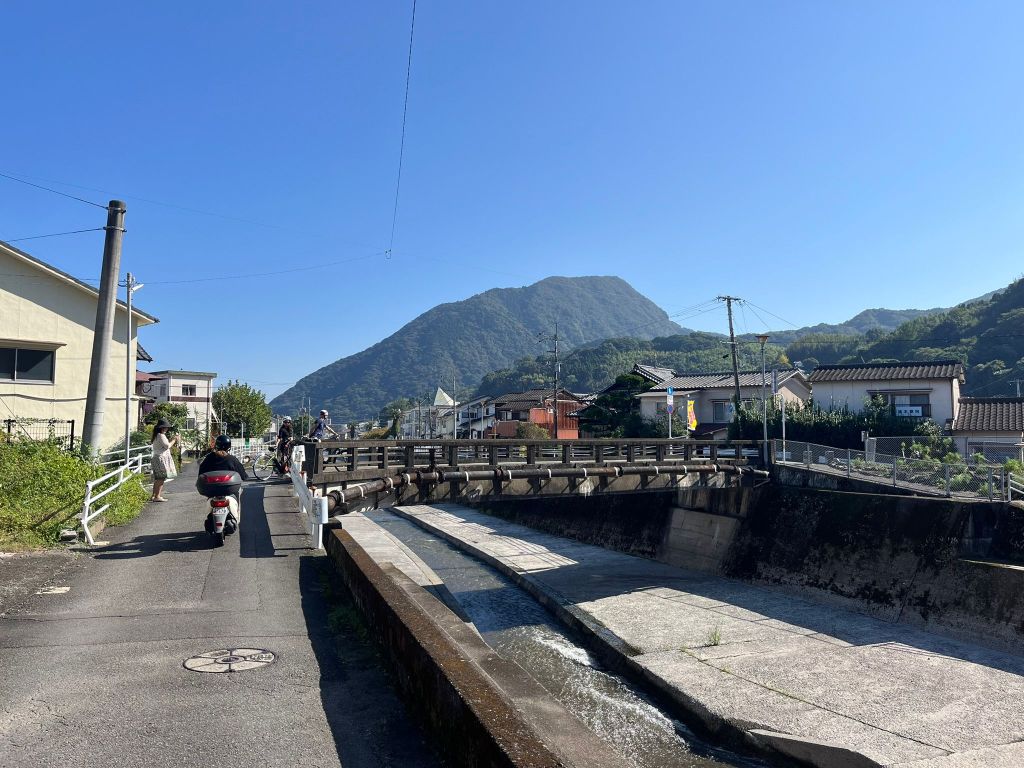
Owning that house felt like a small, personal victory. It wasn’t perfect, but it was ours. It opened a door for us into a world of possibilities—an affordable way to experience Japan more intimately, and a reminder that sometimes, dreams are within reach even with limited resources but a lot of motivation.
Looking back, our experience taught us a lot about the accessibility of Japanese real estate, the importance of patience, and the joy of pursuing something that feels truly personal. If you’re dreaming of your own Japanese property, remember: it’s more achievable than you might think.
Complete guide on how we did it and how you can do it to is here.
 Akiya Guide
Leave a comment